Educational Support Program — Sheridan College
Course: FLPL20102 Assignment: Field ePortfolio
Student: Anna Onuchina
Professor: Jim Mactaggart
December 2025

Welcome to my Placement ePortfolio
This ePortfolio highlights my growth and learning through:
-
A personal reflection on my development this term
-
Two SMART Goals with detailed reflections
-
Evidence showing how I worked toward each goal
-
A reflection on receiving and applying constructive feedback
This portfolio will later become part of my Career Portfolio during my final term in the program.
Thank you for taking the time to view my work and learning journey.
Placement Site: Elementary School, Ottawa, Ontario (OCSB)
Field Placement Fall 2025
Hello, and welcome to my Field Placement 2 ePortfolio. My name is Anna Onuchina, and I am a student in the Educational Support Program at Sheridan College. This ePortfolio shares my learning journey during my placement at Elementary school, Ontario, where I supported students from Kindergarten to Grade 6 in an inclusive educational environment.
During my placement, I had opportunities to assist students with diverse learning needs, observe effective teaching practices, build relationships with staff and students, and strengthen my skills in communication, teamwork, technology, and behaviour support. Each experience helped me better understand my role as an Educational Assistant and the importance of being patient, flexible, and reflective.

Reflection on Learning
During this placement, I learned a great deal about myself as a developing Educational Assistant. I discovered that I work well in diverse classroom environments and can remain calm, patient, and observant even when situations feel unpredictable. Supporting students from Kindergarten to Grade 6 helped me understand how differently children communicate, learn, regulate emotions, and respond to routine. I also realized how important it is to build trust through clear communication, gentle guidance, and consistent expectations.
I became more aware of how my tone, posture, and confidence influence how students and staff perceive me. Experiences with challenging behaviour, misunderstandings, and teamwork showed me that being reflective and open to feedback makes me stronger and more professional. I also learned the value of using technology such as Boom Cards to support engagement while respecting each student’s comfort level. This term helped shape my belief that effective support requires empathy, skill, and continuous self-reflection.
SMART GOAL #1 Reflection
Reflection: Communication, Teamwork, and Professional Behaviour
My first SMART goal (SMART Goal 1) focused on strengthening my professional communication and teamwork skills with teachers, Educational Assistants, and students. I wanted to become more confident, proactive, and clear in my communication.
During my placement, I observed how staff interacted with one another and with students, paying attention to their tone of voice, body language, and professional behaviour. I gradually became more comfortable asking questions, seeking feedback, and participating in team discussions. I also took the initiative to ask if I could participate in a Professional Development (PD) Day, which gave me an opportunity to better understand teamwork within the school environment and expand my professional experience.
By the end of my placement, I felt much more confident and natural when communicating with staff and students, and I became more actively involved as a member of the team. This goal was important to my professional growth because effective communication and teamwork help build trust, provide consistency in student support, and create a safe and positive learning environment.
SMART GOAL #1 Reflection
Screenshot of my Self-Reflection Journal (SRJ)
A video of my co-worker. She made it for my porfolio.

Screenshot of the PD day meeting I was invited


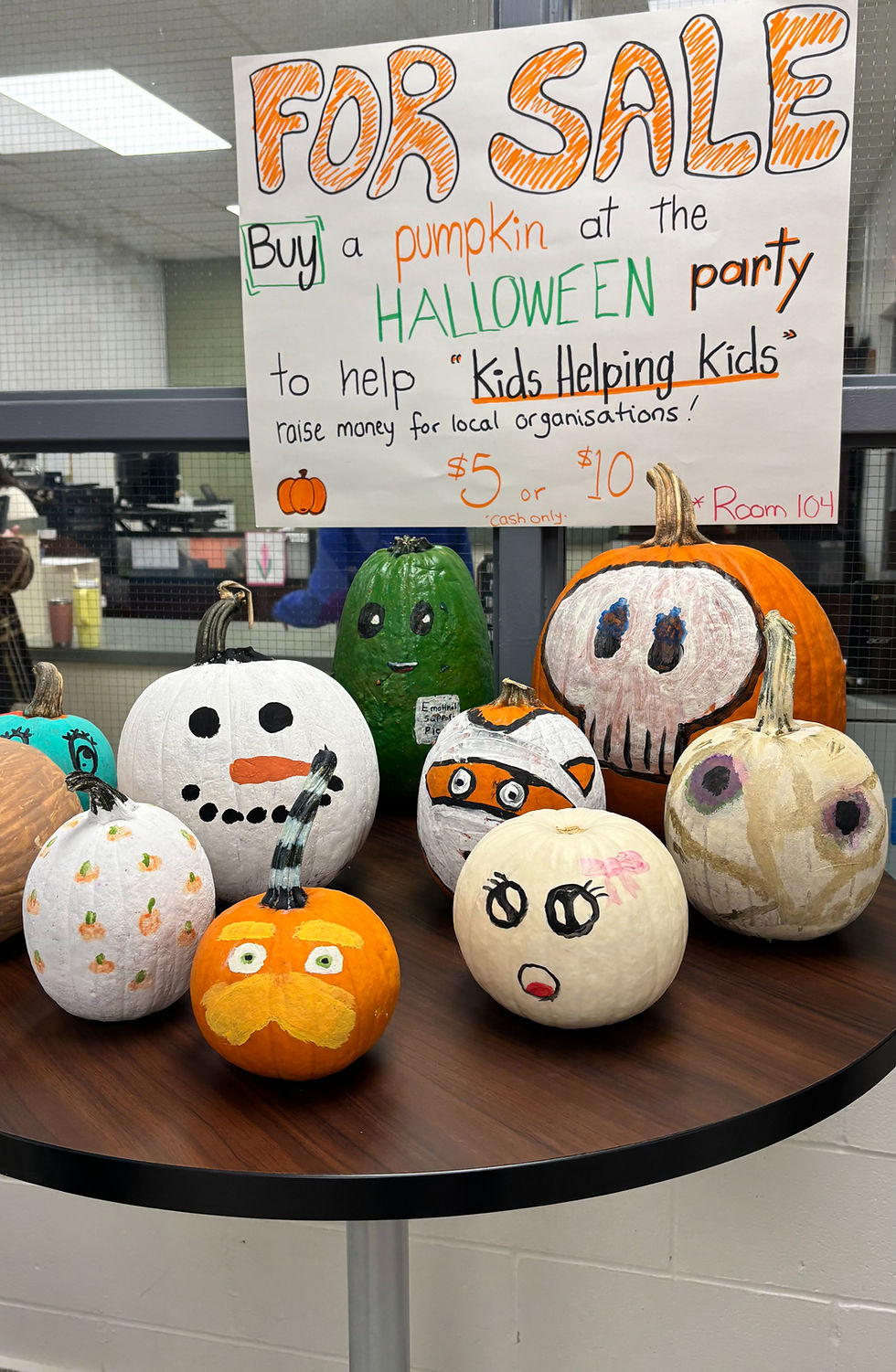
I was invited to this sale
A video of the class tasks. The teacher lets me to do it (for my porfolio)
SMART GOAL #2 Reflection
Reflection: Educational Technology & Boom Cards
My second SMART Goal focused on integrating technology—specifically Boom Cards—to support a student who learns best through predictable, structured visual tasks. According to my SMART Goal plan, I observed how the student engaged with laminated materials and identified Boom Card strategies that could match his learning needs. My Reflective Practice Journal showed that my first attempt was unsuccessful because the student was hesitant to try something new (Reflective Practice Journal 1, Anna Onuchina).
This taught me to introduce new tools gradually, with clear expectations and visual support. Even when I could not use Boom Cards directly due to schedule and permission changes, I continued building strategies in theory, analyzing his responses, and comparing digital tasks with his current materials (SMART GOAL #2 Anna Onuchina). This goal strengthened my understanding of assistive technology, student-centred planning, and adapting tools for learners with ASD.

SMART GOAL #2 Reflection
A picture of laminate material the student used

.png)
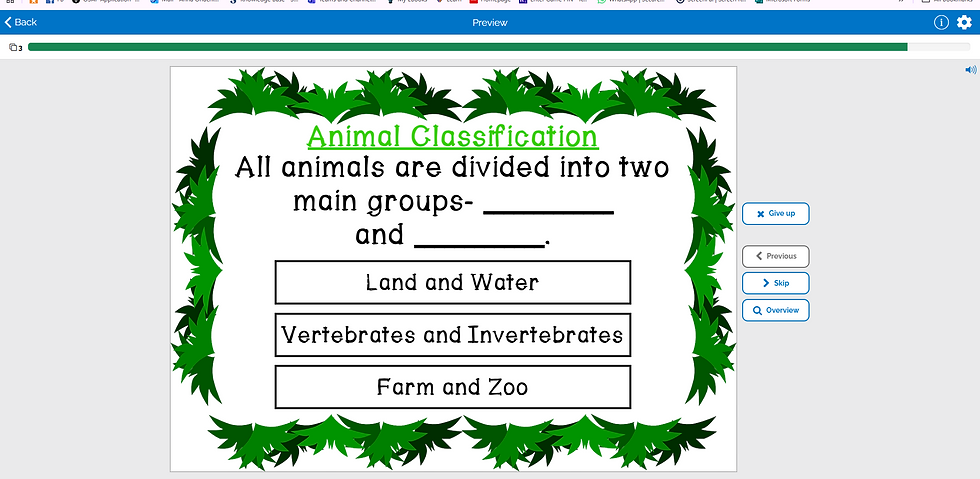
Screenshot of the Boom Cards' Desk

A video of my presentation of Boom Cards:

Screenshot of my Self-Reflection Journal (SRJ)
Accepting Feedback Reflection
Reflection: Accepting and Applying Constructive Feedback
My first field placement was an important experience that helped me connect what I had learned in the Educational Support Program with real work in a school. Supporting students from Kindergarten to Grade 6 showed me how different their needs can be and how important it is to adapt support to each individual student.
I learned that the role of an Educational Assistant is much more than helping with academic tasks. It includes supporting independence, communication, emotional regulation, safety, and inclusion. By observing teachers and Educational Assistants, asking questions, and receiving feedback, I became more confident and developed a better understanding of teamwork in a school environment.
The placement also helped me recognize my strengths, including patience, empathy, observation, and the ability to remain calm in challenging situations. At the same time, I learned the importance of being flexible, reflecting on my own practice, and changing my approach when a strategy does not work.
Overall, this placement gave me a deeper and more realistic understanding of the Educational Assistant profession. It increased my confidence in my career choice and motivated me to continue developing my knowledge and skills in supporting students with diverse learning needs.
Kindergarden Class Activity

Visual Story about my placement.
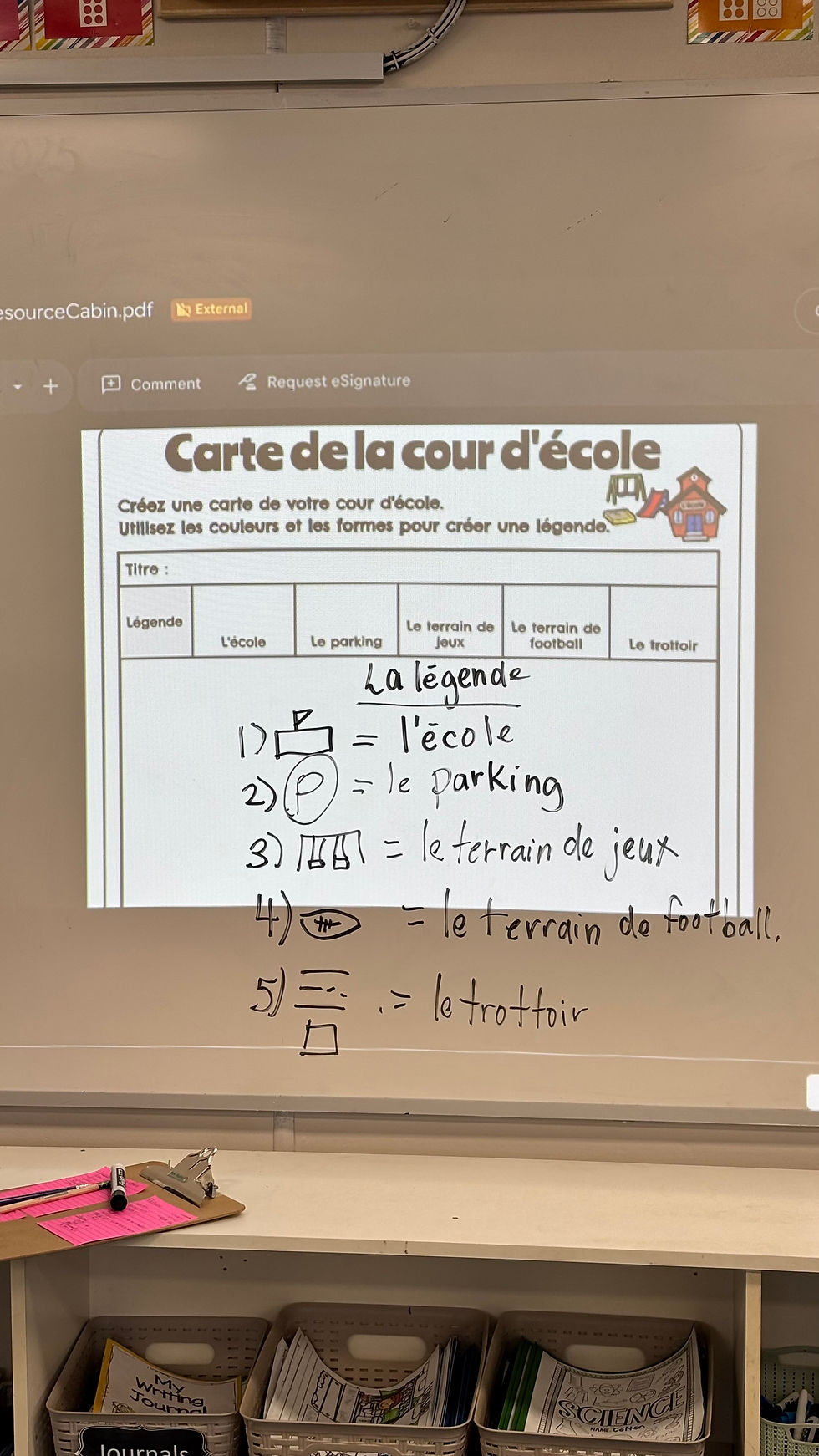
G2 classroom. French class
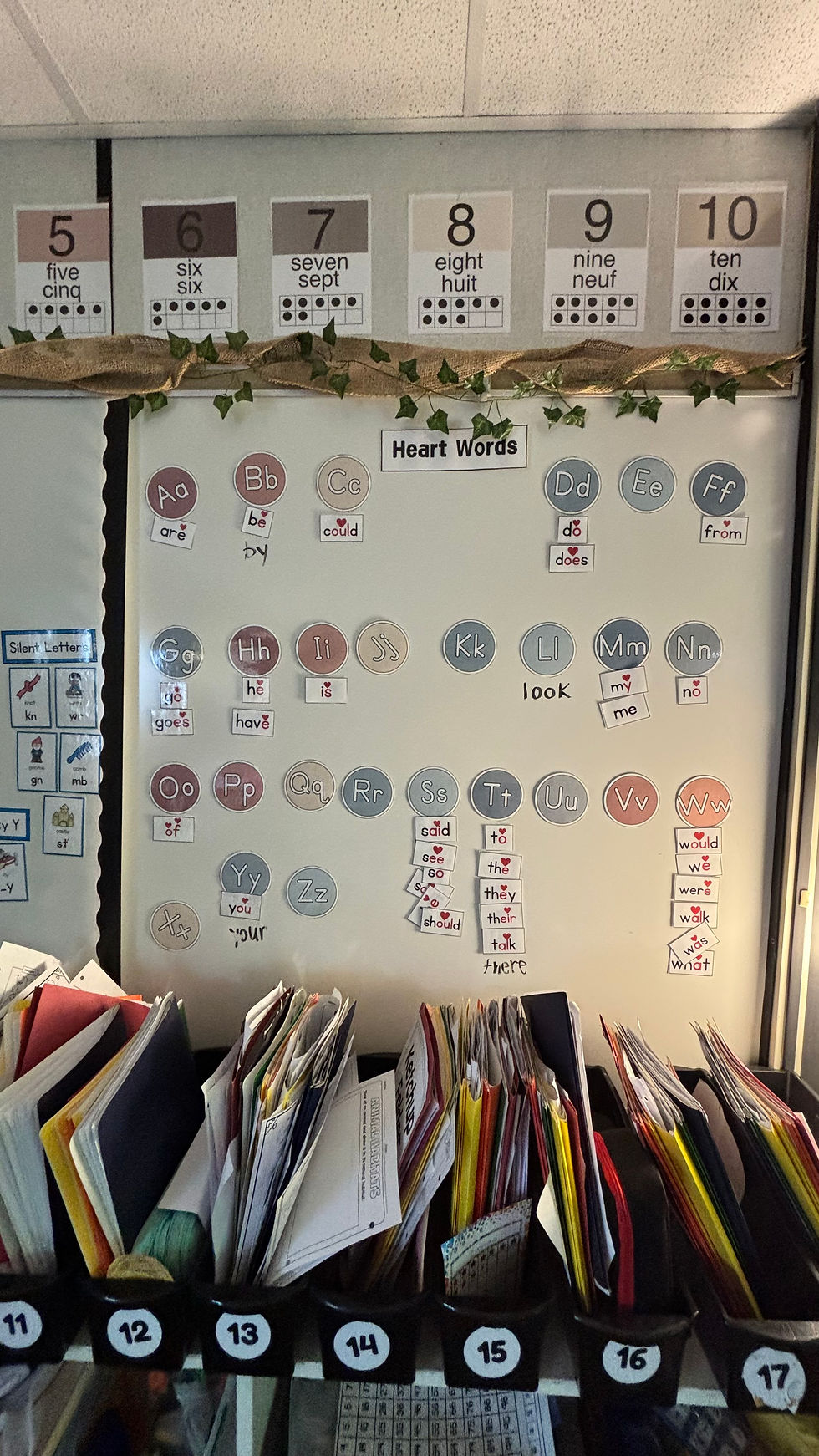
Kindergarden Educational Assistant
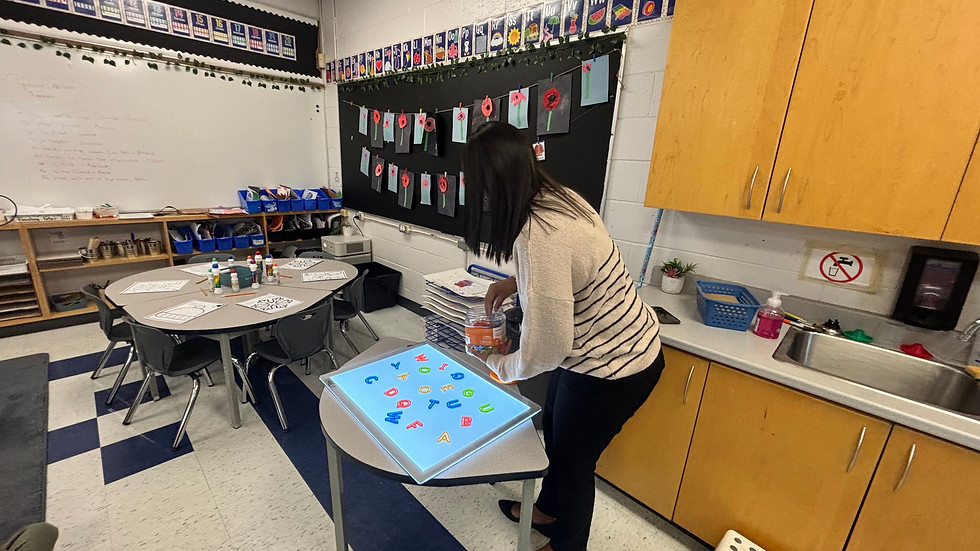
My video from the Kindergarden classroom

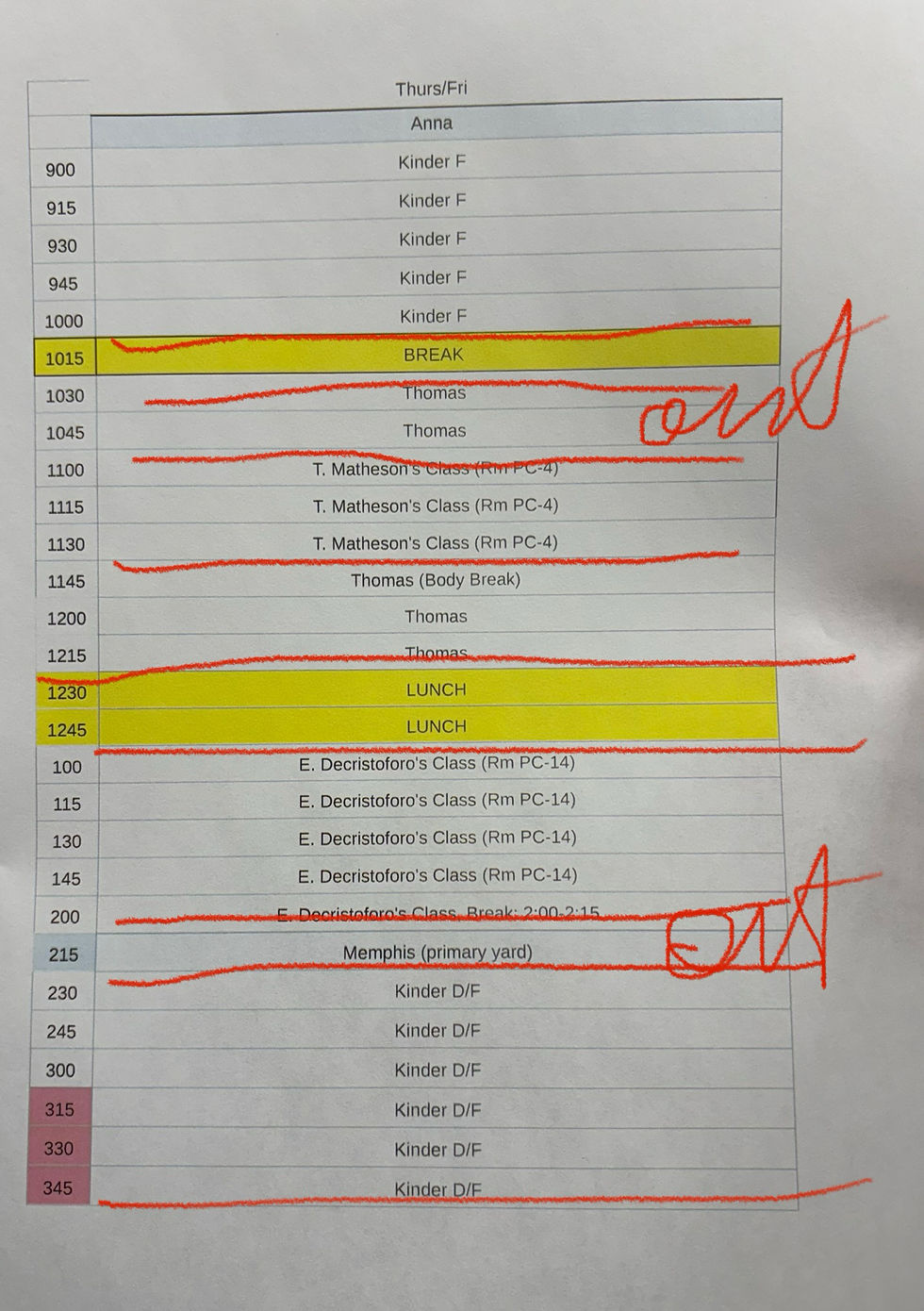
My Schedules